
Selling on marketplaces sounds like a win. More reach, more customers, more orders.
Returns though? That’s where things get… messy.
If you’re running a Shopify store and selling through marketplaces, you’ll know the feeling. Marketplace returns don’t just add volume — they change the rules entirely. Different policies, different systems, different expectations. All rubbing up against the clean, branded experience you’ve worked hard to build.
And customers feel it.
We’ve seen this first-hand at At Last. A colleague recently bought from Debenhams, which clearly advertised free returns. But when she started the return? A £3.30 fee popped up in the portal. Same brand promise. Very different experience.
That disconnect is the marketplace returns paradox in a nutshell.
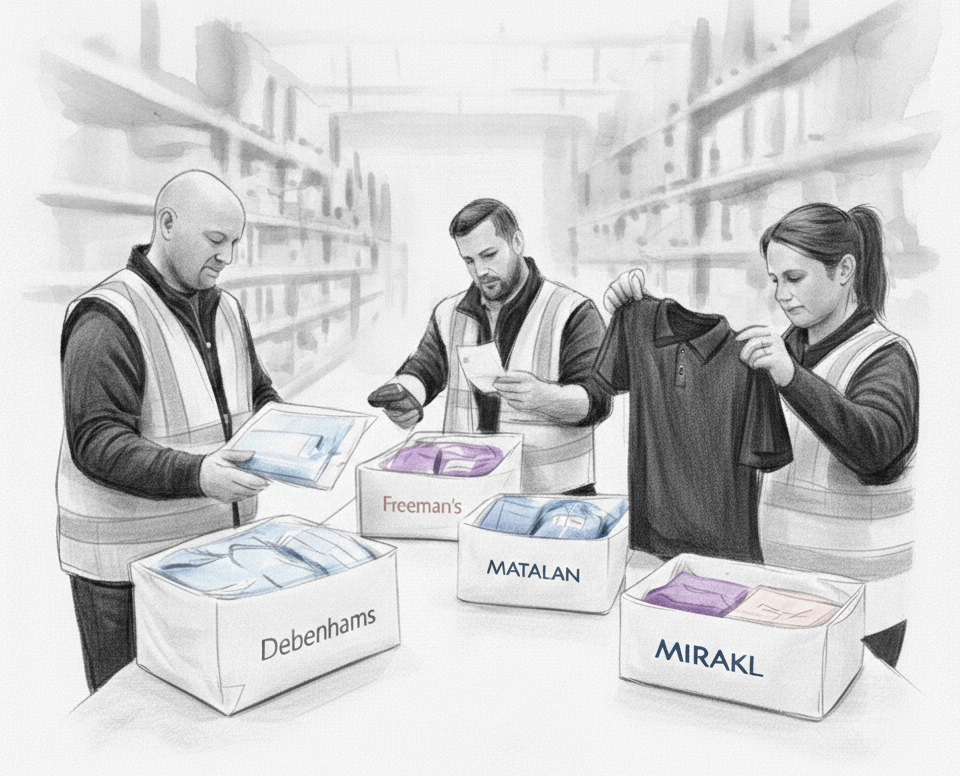
Every marketplace plays by its own rules. Return windows vary. Reasons are restricted. Shipping costs land in different places. Debenhams, Freemans, Matalan, Mirakl - none of them quite align.
For customers, it’s confusing.
For brands, it means juggling multiple return flows and answering far more “why is this different?” support tickets than anyone planned for.
A customer buys from a marketplace, heads to your returns portal, enters their order number… and hits a dead end.
Marketplace order numbers don’t always match Shopify. So instead of a quick, self-serve return, customers end up emailing support - right at the moment when patience is already running low.
One brand told us their team was spending hours every week manually fixing this exact issue. Not ideal. Not scalable.
Marketplaces often limit return options to refunds only. No exchanges. No store credit. No gentle nudge to keep revenue in-house.
So when a customer wants a different size or colour, the brand refunds - and hopes they come back. Sometimes they do. Often, they don’t.
That’s a missed opportunity every single time.
Customers don’t separate “marketplace you” from “direct you”. To them, it’s all your brand.
So when your Shopify returns feel smooth and on-brand, but marketplace returns feel clunky or restrictive, it creates friction. Especially for mid-market and premium brands, where experience matters just as much as product.
Behind the scenes, marketplace returns pile on complexity. Multiple systems. Manual reconciliation. Slower processing. Higher chance of errors.
Customer support feels it most. When fees aren’t clear or self-serve fails, support becomes the safety net - pulling time away from higher-value conversations and driving costs up.
Forward-thinking retailers are moving to unified return portals that handle both Shopify and marketplace orders. Customers enter any order number and get the right options automatically.
Less confusion. Fewer tickets. One dashboard for your team.
The best setups respect marketplace rules without sacrificing brand experience.
That might mean applying Amazon’s return window - but keeping your look, feel, and tone consistent throughout the journey. Customers stay confident. Compliance stays intact.
Returns are often the first real touchpoint you get with marketplace customers. Done well, they’re a chance to collect first-party data and bring those customers closer to your brand.
Over time, that reduces reliance on marketplaces - and turns returns into something a little more strategic.
Marketplace returns aren’t going away. If anything, they’re getting more complex.
Brands that solve this now gain a real edge: smoother operations, happier customers, and better revenue retention.
At Last is built for Shopify-first brands selling across marketplaces. With deep Shopify integration, native marketplace support, and flexible return workflows, we help brands deliver a consistent, on-brand returns experience - wherever the order started.
Marketplace returns can feel like a headache.
With the right setup, they can become a quiet competitive advantage.